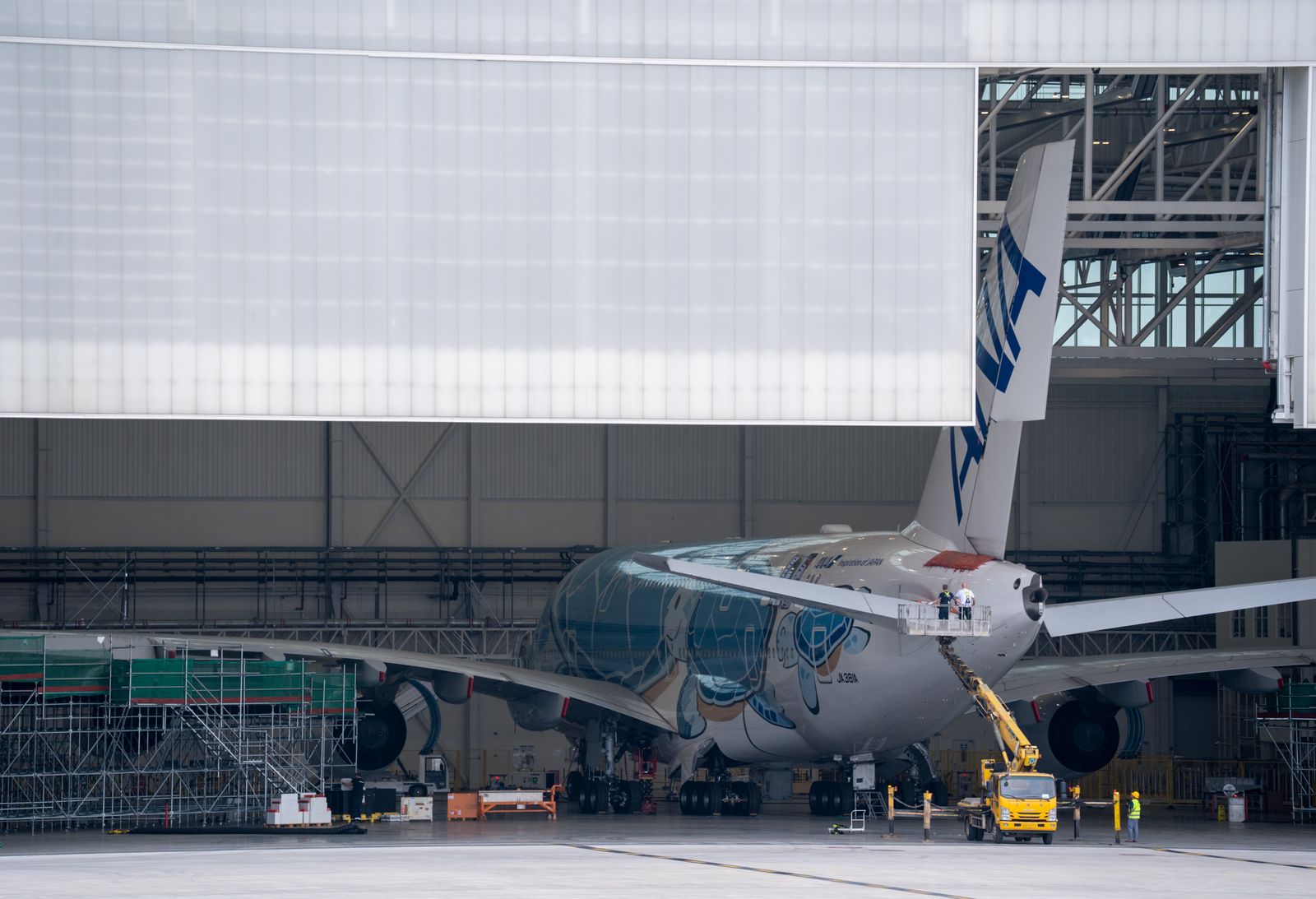
A modern approach to aircraft maintenance
Operating a modern aircraft requires more than isolated scheduled tasks. Effective maintenance is a continuous system of airworthiness management, engineering support, repair planning, technical-record control and timely decisions that reduce aircraft downtime.
Aircraft Maintenance-Nigeria coordinates Aircraft Maintenance, Aircraft Repair and MRO Services for business-jet owners, airlines, cargo operators, government organisations, aviation groups and lessors from Nigeria. Instead of tying a project to one facility, we select a technically and economically suitable certified MRO location for the aircraft type, scope, schedule and budget.
Why international MRO coordination works
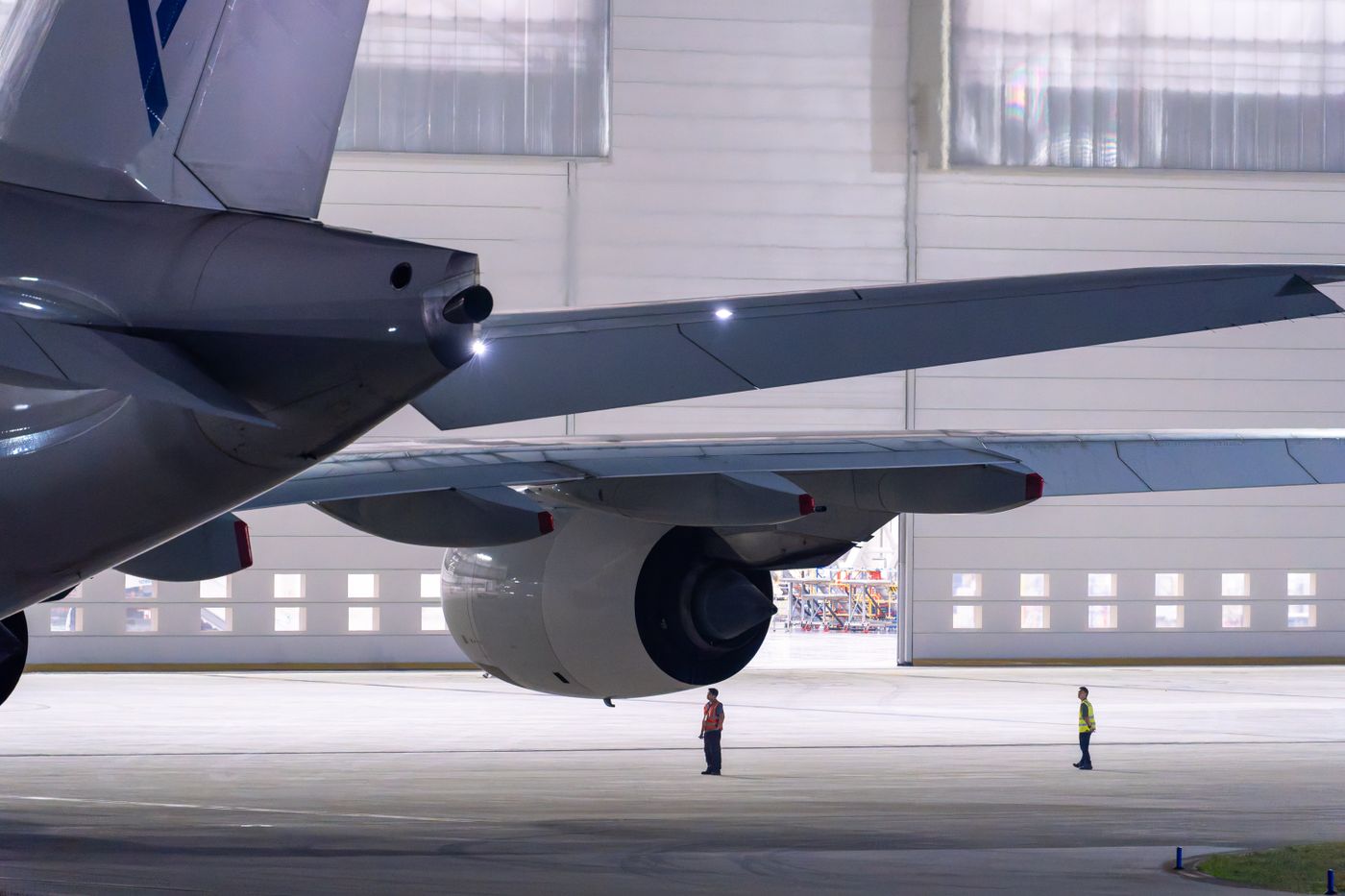
Different technical tasks are often best performed by different specialist organisations. Component overhaul, engine work, structural repair and avionics upgrades may require separate capabilities. A coordinated international model gives the operator access to the right expertise without losing control of the overall project.
Before proposing a solution, we evaluate the expected work scope, maintenance category, production capacity, manufacturer requirements, parts availability, logistics, project timing and operating profile.
- Engineering analysis
- Maintenance planning
- Repair-base selection
- Technical supervision
- Documentation control
- Component logistics
- Schedule and cost coordination
Full-cycle project support
Even a limited maintenance event may involve engineers, an approved repair organisation, parts suppliers, logistics providers, diagnostics teams and records specialists. We provide one coordination point from the initial technical request through completion and delivery of the final documentation package.
This format is especially valuable to operators from Nigeria managing an aircraft away from its state of registration or operating across several regions.
Aircraft maintenance services
The scope can be delivered as a single assignment or as an integrated fleet-support programme.
- Scheduled Maintenance
- Heavy Maintenance
- Line and Base Maintenance
- Airframe and structural repair
- Engine Maintenance and Engine Overhaul
- Aircraft Component Repair
- Avionics Repair and upgrades
- AOG Support
- Aircraft Technical Support
- CAMO Services
- Continuing Airworthiness Management
- Technical audit
- Pre-purchase inspection
- Lease-return support
- Aircraft component logistics
Plan maintenance before disruption occurs
Reactive maintenance increases cost and can disrupt operations. A long-term maintenance strategy considers calendar limits, flight hours and cycles, component life, manufacturer recommendations, seasonal utilisation and the operator's commercial schedule.
Aircraft Maintenance-Nigeria helps clients from Nigeria distribute technical events in advance, reduce avoidable AOG exposure and maintain more predictable aircraft availability.
Aircraft categories and manufacturers
Projects are coordinated for mainline and regional airliners, cargo aircraft, corporate jets, turboprops, general-aviation aircraft and special-mission fleets. Planning accounts for aircraft design, utilisation intensity, route structure, climate and regulatory requirements.
- Embraer regional and corporate aircraft
- Bombardier business aircraft
- Gulfstream premium business jets
- Dassault Falcon aircraft
- Cessna general aviation aircraft
- Pilatus multi-role aircraft
- Boeing, Airbus and ATR fleets
Engineering assessment
A successful maintenance event starts before the aircraft arrives at the facility. We review aircraft condition, maintenance history, previous modifications, defects, inspection findings, technical records, manufacturer recommendations and the intended future operation.
This assessment helps define an appropriate work scope, avoid both insufficient and unnecessary work, and improve budget accuracy for owners from Nigeria.
Manufacturer-focused support
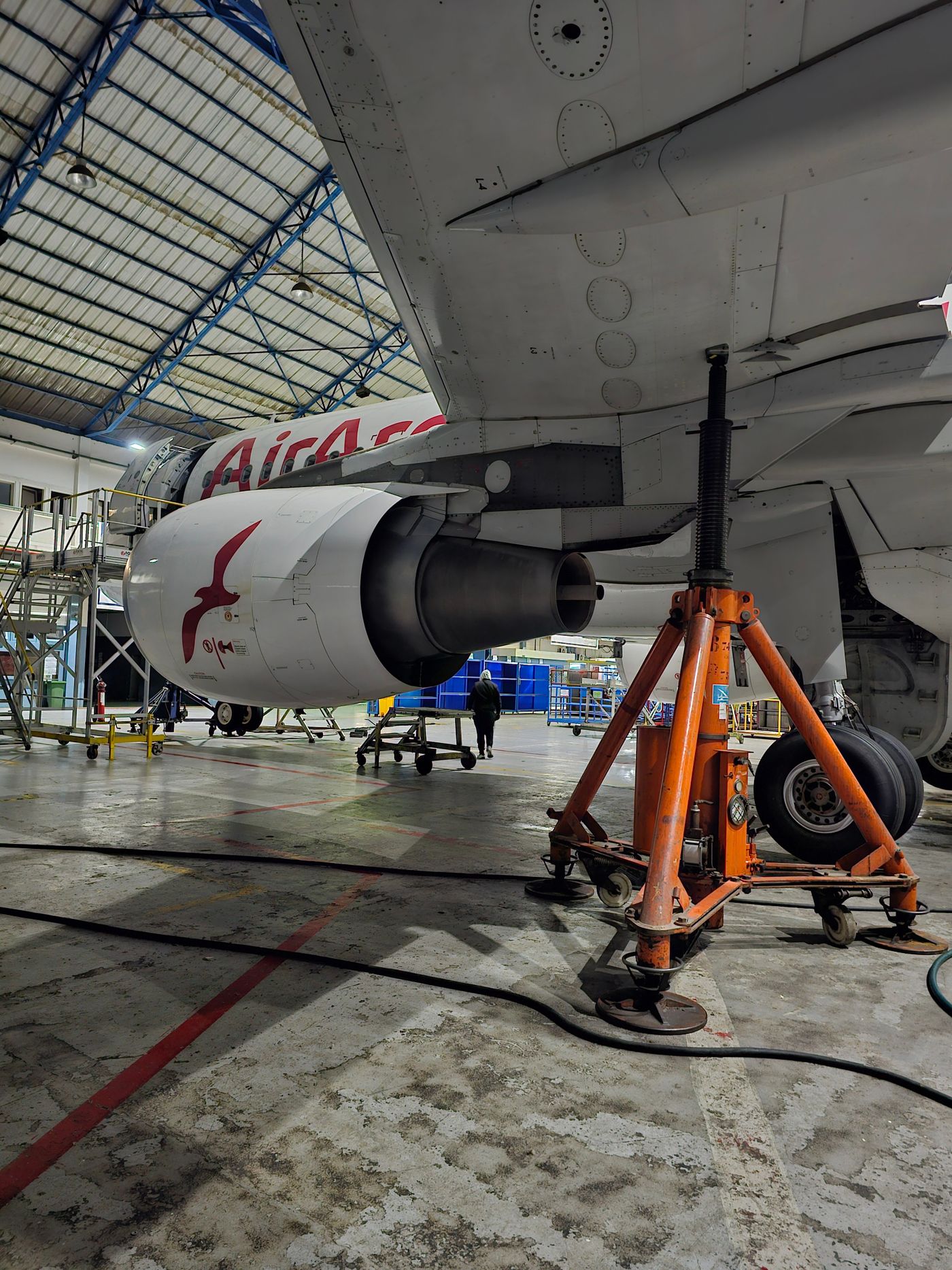
Embraer programmes require disciplined control of inspection intervals and component life. Bombardier and Gulfstream operators often prioritise minimum downtime and predictable expenditure. Dassault Falcon projects may combine periodic inspections, systems work, structural repair and upgrade support. Cessna and Pilatus operators benefit from maintenance planning adapted to intensive training, corporate, medical or special-mission use.
CAMO and continuing airworthiness
CAMO support creates a structured system for maintenance planning, calendar control, component-life monitoring, airworthiness directives, service bulletins and technical documentation. The result is a transparent view of aircraft status throughout its operational life.
- Maintenance-programme planning
- AD and SB control
- Component-life management
- Calendar and utilisation tracking
- Airworthiness review preparation
- Technical-record coordination
Aircraft logistics and ferry coordination
Maintenance projects frequently depend on the timely movement of parts, components and aircraft. We coordinate suppliers, international transport, delivery priorities and work sequencing. Where technically justified, a ferry flight to a specialist MRO facility may reduce repair time and improve access to equipment and expertise.
Technical records and lease support
Complete technical records affect continuing airworthiness, residual value, saleability and lease compliance. Support may include records review, archive structuring, maintenance-history analysis, audit preparation and discrepancy resolution.
For lessors and operators, we also coordinate aircraft return projects, inspections, technical preparation and closure of lease-return findings.
Why operators choose Aircraft Maintenance-Nigeria
Our role is not limited to selling an individual maintenance task. We create a single coordination centre for technical decisions, communication, documentation, logistics, quality and schedule control.
- Individual strategy for every project
- Access to suitable certified MRO capabilities
- Engineering-led decision making
- Transparent project communication
- Lifecycle and fleet support
- Quality, schedule and budget control
- Support regardless of aircraft location
Operational planning and maintenance programme control
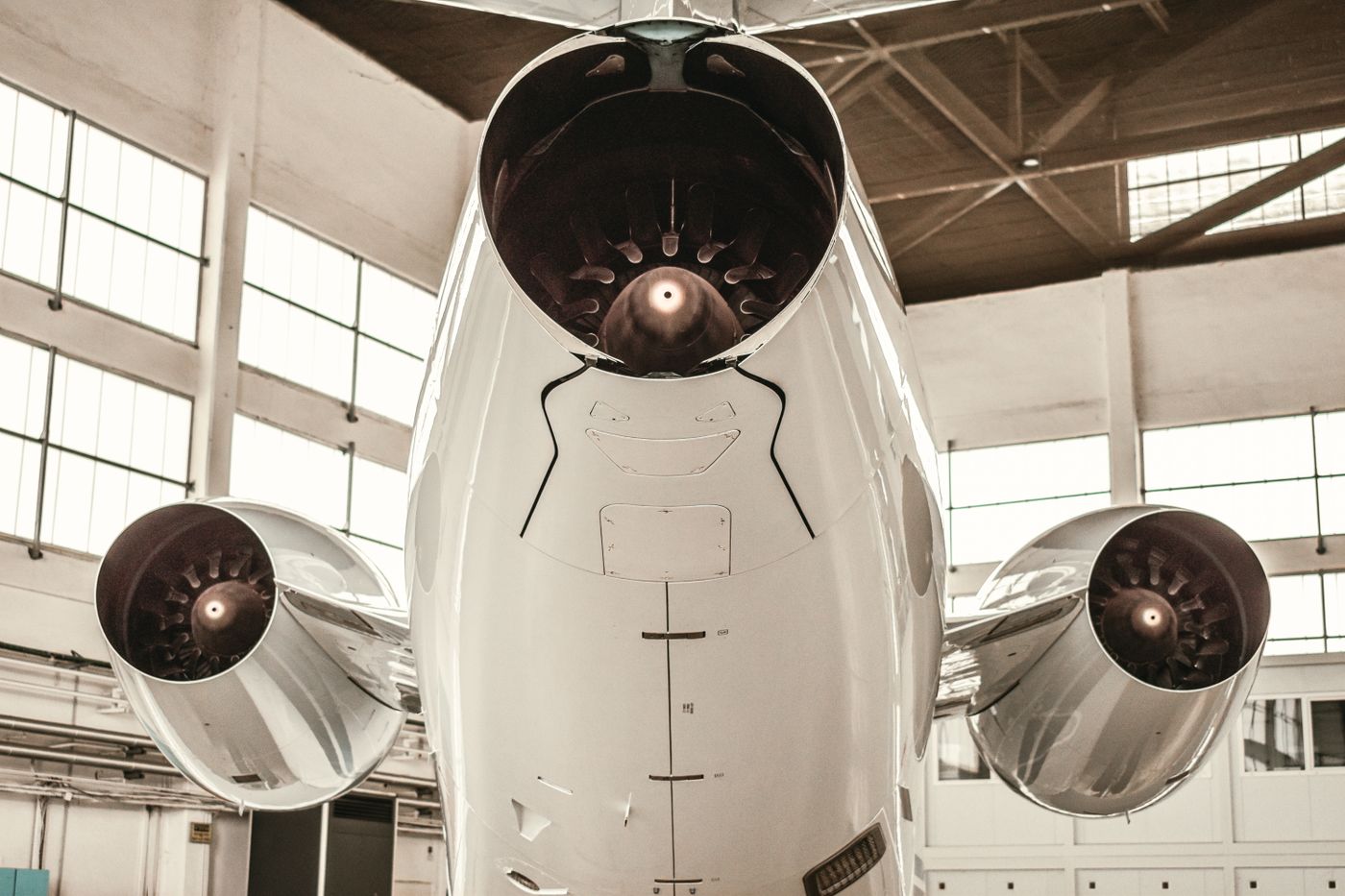
An aircraft maintenance programme must reflect the real operating profile of the aircraft. Calendar limitations, flight hours, cycles, route structure, climate, parking conditions and mission type all influence how technical events should be scheduled. For clients from Nigeria, we help connect these factors with manufacturer recommendations and regulatory requirements so that maintenance becomes a planned operational process rather than a sequence of urgent reactions.
Long-range planning also improves budget visibility. Upcoming inspections, life-limited parts, engine events and mandatory modifications can be grouped into practical work packages. This reduces repeated positioning flights, duplicated access work and avoidable downtime while preserving the required level of safety and compliance.
Where the operator manages more than one aircraft, the same approach can be applied at fleet level. Technical events are distributed across the calendar, critical components are monitored and alternative capacity can be considered before a slot becomes urgent.
- Calendar and utilisation forecasting
- Work-package development
- Maintenance-slot reservation
- Life-limited-part monitoring
- Fleet-level event distribution
- Downtime and budget forecasting
Engine, component and avionics projects
Engine maintenance and component repair often determine the duration and cost of an aircraft project. We coordinate shop selection, technical communication, logistics, inspection findings, quotation review and progress control. Depending on the condition of the unit, the solution may involve repair, overhaul, exchange, replacement or a controlled temporary alternative.
Avionics projects may include troubleshooting, equipment replacement, software or database updates, cockpit modifications and integration of new systems. Structural and airframe findings require equally careful coordination because access, engineering approval, materials and specialised tooling can affect the entire maintenance schedule.
For operators from Nigeria, one project team can coordinate the airframe facility, engine or component shops and parts suppliers, keeping technical decisions and documentation aligned.
- Engine inspection and overhaul coordination
- APU and landing-gear support
- Component repair and exchange
- Avionics troubleshooting and upgrades
- Structural-repair coordination
- Parts sourcing and traceability
AOG support and urgent technical coordination
Aircraft on Ground situations require rapid but disciplined decisions. The first objective is to understand the defect, available technical data, aircraft location and operational restrictions. From there, the response may involve remote engineering support, troubleshooting assistance, dispatch of parts or tooling, local maintenance resources or positioning the aircraft to a suitable facility.
Speed alone is not enough. Every action must preserve traceability, airworthiness and correct technical records. We therefore coordinate communication between the operator, maintenance organisation, suppliers and engineering specialists while keeping the client informed about realistic options and timing.
AOG support can be requested for aircraft operated by companies from Nigeria regardless of where the aircraft is currently located.
- Initial defect assessment
- Technical and engineering coordination
- Parts and tooling logistics
- Local maintenance-resource search
- Recovery planning
- Documentation and closure control
Aircraft ferry flights and maintenance positioning
When the required capability is not available at the aircraft location, a ferry flight to a specialised MRO base may be the most practical solution. The decision is made after reviewing aircraft condition, limitations, required permits, technical preparation, route, crew requirements and economic feasibility.
Positioning an aircraft can provide access to dedicated tooling, experienced personnel, approved repair data and available production capacity. It may also allow several tasks to be combined into one maintenance event instead of arranging fragmented work in different locations.
We help coordinate the technical and organisational elements of such projects for owners and operators from Nigeria, while the final flight and regulatory decisions remain subject to the applicable authorities and approved organisations.
- Technical feasibility review
- Maintenance-base selection
- Route and schedule coordination
- Required documentation support
- Ground-handling coordination
- Arrival and induction planning
Pre-purchase inspection and aircraft transition support
A technical review before acquisition helps the buyer understand the aircraft beyond its appearance and headline specifications. The process may include physical inspection, records review, status analysis, review of upcoming maintenance, damage and repair history, modifications, component life and open technical findings.
The result supports commercial negotiations and future maintenance planning. It can identify immediate expenditure, records gaps or contractual issues before the transaction is completed. For clients from Nigeria, the inspection can be coordinated in the country where the aircraft is located.
Transition support may continue after purchase with registration preparation, records organisation, maintenance planning, modification coordination and entry into the new operator’s technical system.
- Physical aircraft inspection
- Technical-records review
- Maintenance-status analysis
- Upcoming-cost assessment
- Discrepancy reporting
- Post-acquisition transition planning
Lease-return and lessor technical support
Aircraft return conditions are usually detailed and time-sensitive. A successful redelivery requires early comparison of the aircraft status and records against the lease agreement, identification of gaps and coordination of the corrective work package.
We support operators and lessors with records review, physical inspections, status reports, maintenance planning, finding closure and communication between the parties. Starting the process early can reduce last-minute work, disputed items and expensive extensions.
For organisations from Nigeria, support can be structured around a single aircraft, a portfolio transition or an end-of-lease fleet programme.
- Lease-condition review
- Records and status reconciliation
- Physical inspection coordination
- Finding and discrepancy closure
- Redelivery work-package support
- Final documentation preparation
Quality control, documentation and project reporting
Aircraft maintenance is not complete when the physical work ends. The technical records, release documents, component certificates, work orders, inspection results and modification data must form a coherent and traceable package.
Project reporting gives the owner visibility into progress, findings, decisions, cost changes and forecast completion. Clear approval points help prevent misunderstandings and allow the operator to control priorities without becoming involved in every routine coordination task.
Aircraft Maintenance-Nigeria places documentation and communication at the centre of the project because they protect airworthiness, aircraft value and future operational flexibility.
- Progress and milestone reporting
- Finding and quotation tracking
- Document-package verification
- Component-certificate control
- Modification and repair records
- Final project close-out
Long-term technical partnership for operators from Nigeria
Technical support is most effective when the project team understands the aircraft history, operating model and commercial priorities. Long-term cooperation makes it possible to anticipate future events, retain lessons from previous maintenance and improve the accuracy of planning.
Support can begin with one inspection or records task and later expand to engine events, CAMO coordination, logistics, acquisitions, lease transitions or fleet-level planning. The service model remains flexible: the client can retain its existing organisations while using one coordination partner for selected complex projects.
Our objective is to help owners and operators from Nigeria maintain safe, compliant and economically efficient aircraft operations through structured technical decision-making.
- Single-project or ongoing support
- Aircraft-history continuity
- Forward maintenance forecasting
- Supplier and MRO coordination
- Fleet and lifecycle planning
- Flexible scope of cooperation
FAQ
Do you repair aircraft directly in Nigeria?
We coordinate maintenance for clients from Nigeria. Depending on aircraft type and work scope, the project may be organised at the certified MRO facility best suited to the assignment.
Which aircraft do you support?
Commercial airliners, regional aircraft, cargo aircraft, business jets, turboprops, general-aviation and special-mission aircraft.
Can you support an aircraft outside Nigeria?
Yes. Aircraft location is not a limitation; maintenance can be coordinated in the region that offers the appropriate capability.
Do you provide AOG support?
Yes. We help coordinate technical, parts and logistics actions needed to restore serviceability.
What are CAMO Services?
They cover continuing-airworthiness planning, AD control, component-life management and technical documentation.
Can I order one service only?
Yes. Support may cover one inspection, an engine event, records review or a complete maintenance programme.
Do you support pre-purchase and lease return projects?
Yes. We coordinate technical inspections, records analysis, discrepancy closure and return preparation.
How do we start?
Send the aircraft type, current location, required service, target timing and available technical information. The team will review the request and propose next steps.
Request a technical project review
Describe the aircraft, location, required scope and preferred timing. Our team will review the information and contact you regarding possible solutions.